Electronic configuration of atom & reason for stability of half and fully filled orbitals.
Day 1 4.5.20 6 th period Good Morning Boys, Today we will do the the topic of electronic configurations of atom and Reason for stability of half and fully filled orbitals .
Learning Outcomes : Students will be able to
Write electronic configuration of various elements.
understand the reason for stability of half and fully filled orbitals.
Apply rules and formula.
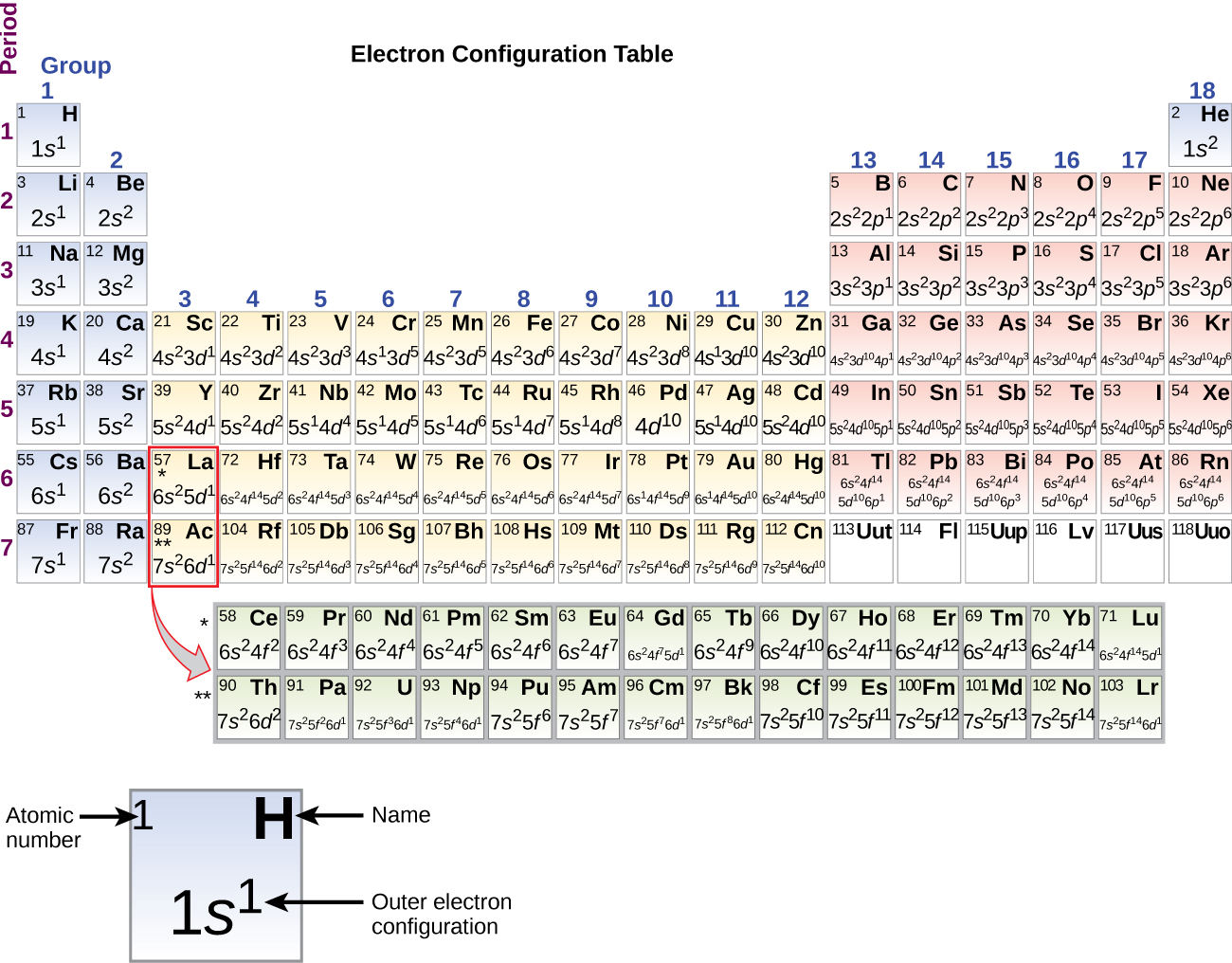
note : periodical table given at the end of the blog is only for refering to electronic
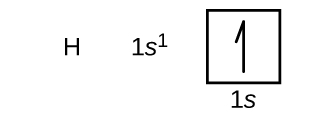
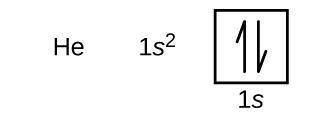
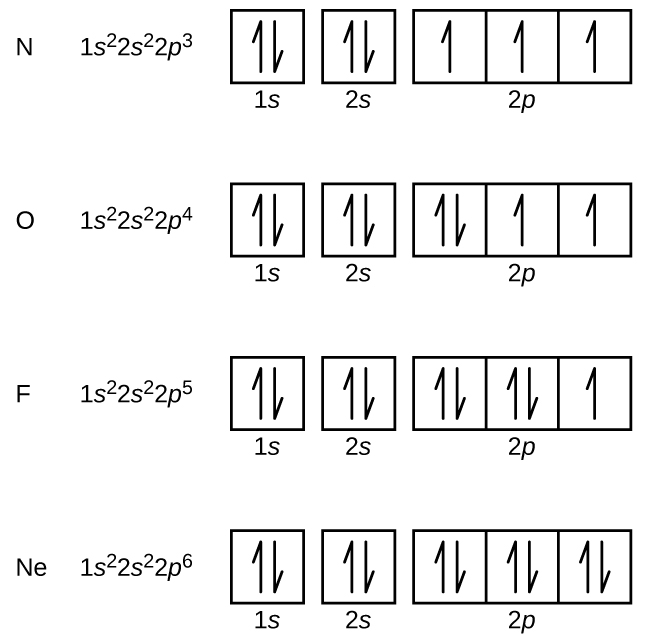
Electronic configuration of Atoms :
Na
Another way to represent sodium :[Ne]3s1.
the symbol [Ne] represents core electrons, (1s22s22p6)
EXCEPTIONAL ELECTRONIC CONFIGURATION OF CHROMIUM AND COPPER
Copper (Cu)
Atomic number 29 = [Ar],4s23d9
actual configuration is : [Ar]4s13d10
Chromium (Cr)
Atomic number 24 = 1s22s22p63s23p64s23d4.
But in actual it is:=[Ar]4s13d5
Reason for exceptional configuration :
Half-filled and fully filled orbital are more stable
Note :
Reasons for Stability of completely filled and half filled subshells:
a. Symmetrical distribution of electrons-the completely filled or half filled sub-shells have symmetrical distribution of electrons in them and are more stable.
b. Exchange energy-The two or more electrons with the same spin present in the degenerate orbitals of a sub-shell can exchange their position and the energy released due to this exchange is called exchange energy. The number of exchanges is maximum when the subshell is either half filled or completely filled. As a result the exchange energy is maximum and so is the stability.
more is the exchange energy -more is the stability.
If configuration was 4s23d4 the exchange energy is:
Total number of exchanges = 3 + 2 + 1 = 6
If configuration is 4s13d5the exchange energy is:
Total number of exchanges = 4 + 3 + 2 + 1 = 10
Thats all for the day
Take Care
Stay Safe
Mark your attendance on the form and the comment section of the blog.
ma'am you are giving a lot of work to write how we are supposed to learn at hme most of the time goes in doing your work douring your period we also have a lot of work to do in the zero period . now we have learn three chapters which are very long can you pls minimize some of the written work
Symmetrical distribution of electrons- the completely filled or half filled sub-shells have symmetrical distribution of electrons in them and are more stable...... Ma'am why so ?? Why does stability prefers symmetry?
Day 1 4th period 21. 4.20 FOR MARKING YOUR ATTENDANCE TYPE YOUR NAME AS PER THE DIRECTIVES GIVEN BELOW ⇓ AND CLICK SUBMIT. Loading… GOOD MORNING BOYS, Today we will be going through the various definations and calculate the molecular masses of compound. Learning objective : students will be able to Define atomic mass, Molecular Mass & formula mass calculate molecular masses of compounds. Atomic mass unit It is defined as a mass exactly equal to one twelfth the mass of one carbon – 12 atom. Gram atomic mass of a substance – The atomic mass of a substance when expressed in grams is known as its gram atomic mass. The atomic mass of Sulphur is 32u. Gram atomic mass of Sulphur is 32g . Molecular mass It is the sum of atomic masses of the elements present in a molecule. It is obtained by multiplying the atomic mass of each element by the number of its atoms and adding them ...
Day 3 17.4.20 Good morning Boys, Today we will start with our first unit ,some basic concepts of chemistry. Students are required to make one chemistry register where all the work related to the subject need to be noted. Register will be evaluated when the school reopens. LEARNING OBJECTIVE : students will be able Recall the S.I Units of Measurements Define matter Differentiate solid ,liquid and gases Matter Anything that has mass and occupies space is termed as matter.example:- notebook, pencil, air, water etc P h ysical Classification of Matter P r o p er t ies S o lid L iquid Gas 1. volume Definite Definite Indefinite 2. Shape Definite Indefinite Indefinite 3. Inter molecular force of attraction Very high Moderate Negligible / Very low 4. arrangement of molecules Orderly arranged Free to move within ...
Day 4 18.4.20 Good Morning students: Today is our first chemistry practical period through blogs. please read the general instruction carefully. General Instructions : 1. students must get the concern slip signed by the parents for working in the laboratory. The concern slip contains the guidelines for working in the laboratary. Written guidelines for working in chemistry lab would be given once the school reopen. kindly note signature of parent on concern slip is mandatory for working in chemistry lab. 2. Labcoat is mandatory for working in the lab. 3. carry your practical file and stationary during the practical period. 4. Follow the Instruction given by teacher at all times. 5. Casual attitude while working in lab will not be entertained. 6. Class would be divided into 2 batches: Batch 1 Physics Batch 2 chemistry (depending on the strength of class ) At present both the batches would be writing the practical in your chemistry file. The p...






![This figure includes the element symbol N a, followed by the electron configuration for the element. The first part of the electron configuration, 1 s superscript 2 2 s superscript 2 2 p superscript 6, is shaded in purple and is labeled, “core electrons.” The last portion, 3 s superscript 1, is shaded orange and is labeled, “valence electron.” To the right of this configuration is the word “Abbreviation” followed by [ N e ] 3 s superscript 1.](https://opentextbc.ca/chemistry/wp-content/uploads/sites/150/2016/05/CNX_Chem_06_04_Valence.jpg)

Utkrist Gupta
ReplyDelete11-D
Present
This comment has been removed by the author.
ReplyDeleteAnshuamn Jaison of 11D is present
ReplyDeleteADITYA VOHRA 11-d present
ReplyDeleteAaron Isaac Khakha
ReplyDelete11D
Present
This comment has been removed by the author.
ReplyDeletema'am you are giving a lot of work to write how we are supposed to learn at hme most of the time goes in doing your work douring your period we also have a lot of work to do in the zero period . now we have learn three chapters which are very long can you pls minimize some of the written work
ReplyDeleteThis comment has been removed by the author.
ReplyDeleteGood morning ma'am,
ReplyDeleteYumn Jame 11th D present.
Good morning ma'am
ReplyDeleteAnugrah Singh 11D
Present
Tanmay Jain
ReplyDelete11-D
Present
Good morning ma'am,
ReplyDeleteCelestine Saji,
Present
Good morning ma'am. Anugrah Steve Massey 11D present.
ReplyDeleteSiddharth Karnish. 11-D
ReplyDelete(Present)
Jaskeerat Singh (11-D) - Present
ReplyDeleteGOOD MORNING. THIS IS SHAMBHAVA S. (11D)
ReplyDeleteGood morning ma'am
ReplyDeleteSarvesh Kumar 11-D
is Present
Good Morning Maam
ReplyDeleteRatnango Ghosh
11 D
Good Morning Ma'am
ReplyDeleteSoham Kulkarni
11-D
Present
Symmetrical distribution of electrons- the completely filled or half filled sub-shells have symmetrical distribution of electrons in them and are more stable...... Ma'am why so ?? Why does stability prefers symmetry?
ReplyDeleteGood morning ma'am
ReplyDeleteBhumik Tandon of class 11th D is present
Good morning ma'am
ReplyDeleteRahul Bandhu
11D
Good morning maam
ReplyDeleteAlbin Chandi 11D
Present
Good morning ma'am
ReplyDeleteAmit S Sahu 11 D present
Tathastu Bagchi 11D present
ReplyDeleteGood morning ma'am
ReplyDeleteArtham Pedneker 11-D
present
Good morning ma'am
ReplyDeleteYashas Yadav
11-D
Present
Good Morning Ma'am,
ReplyDeleteShaun Lawrence of 11-D
Present
Good morning ma'am
ReplyDeleteSamarth Jain
11 D
Present
Albin G Koshy
ReplyDelete11-D
Present
Aarmaan chhibber
ReplyDelete11D
Present